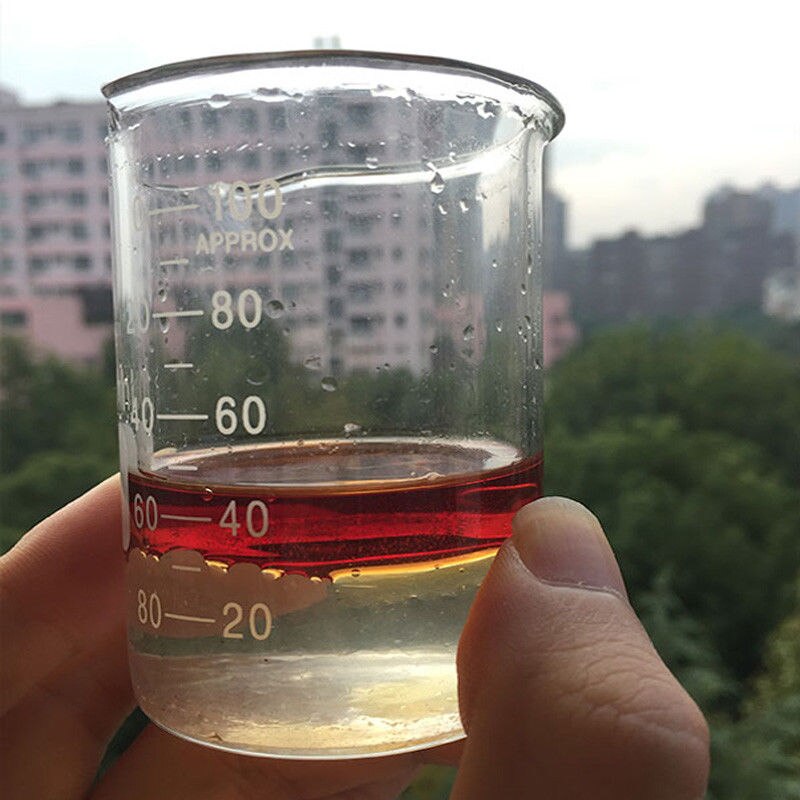
Steam distillation is a special type of distillation (a separation process) for temperature sensitive materials like natural aromatic compounds. It once was a popular laboratory method for purification of organic compounds, but has become less common due to the proliferation of vacuum distillation. Steam distillation remains important in certain industrial sectors. Many organic compounds tend to decompose at high sustained temperatures. Separation by distillation at the normal (1 atmosphere) boiling points is not an option, so water or steam is introduced into the distillation apparatus. The water vapor carries small amounts of the vaporized compounds to the condensation flask, where the condensed liquid phase separates, allowing easy collection. This process effectively enables distillation at lower temperatures, reducing the deterioration of the desired products. If the substances to be distilled are very sensitive to heat, steam distillation may be applied under reduced pressure, thereby reducing the operating temperature further. After distillation the vapors are condensed. Usually the immediate product is a two-phase system of water and the organic distillate, allowing separation of the components by decantation, partitioning or other suitable methods.
When a mixture of two practically immiscible liquids is heated while being agitated to expose the surface of each liquid to the vapor phase, each constituent independently exerts its own vapor pressure as a function of temperature as if the other constituent were not present. Consequently, the vapor pressure of the whole system increases. Boiling begins when the sum of the vapour pressures of the two immiscible liquids just exceeds the atmospheric pressure (approximately 101 kPa at sea level). In this way, many organic compounds insoluble in water can be purified at a temperature well below the point at which decomposition occurs. For example, the boiling point of bromobenzene is 156 °C and the boiling point of water is 100 °C, but a mixture of the two boils at 95 °C. Thus, bromobenzene can be easily distilled at a temperature 61 °C below its normal boiling point.
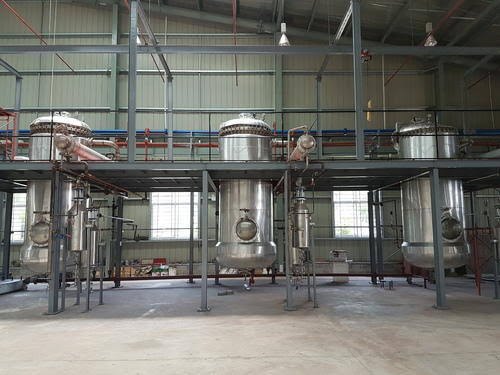
Steam distillation is employed in the isolation of essential oils, for use in perfumes, for example. In this method, steam is passed through the plant material containing the desired oils. Eucalyptus oil and orange oil are obtained by this method on an industrial scale. Steam distillation is also sometimes used to separate intermediate or final products during the synthesis of complex organic compounds. Steam distillation is also widely used in petroleum refineries and petrochemical plants where it is commonly referred to as "steam stripping". Steam distillation also is an important means of separating fatty acids from mixtures and for treating crude products such as tall oils to extract and separate fatty acids, soaps and other commercially valuable organic compounds.
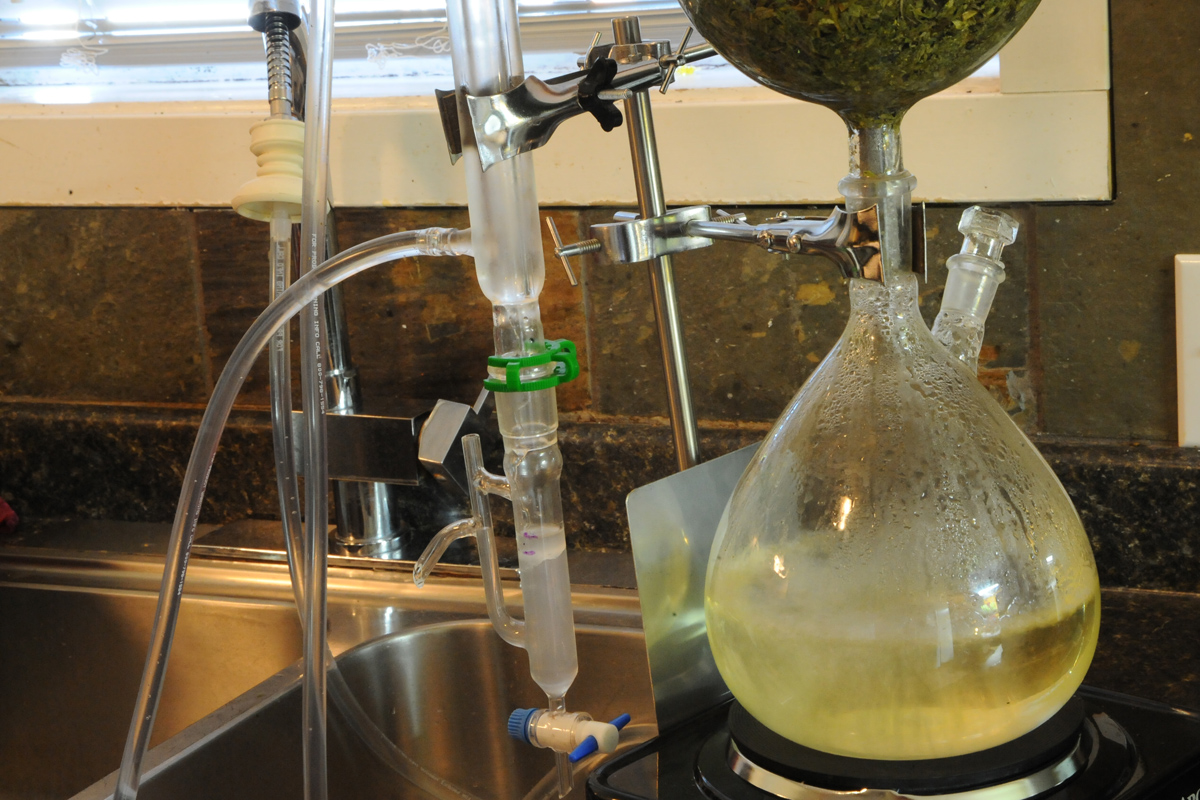
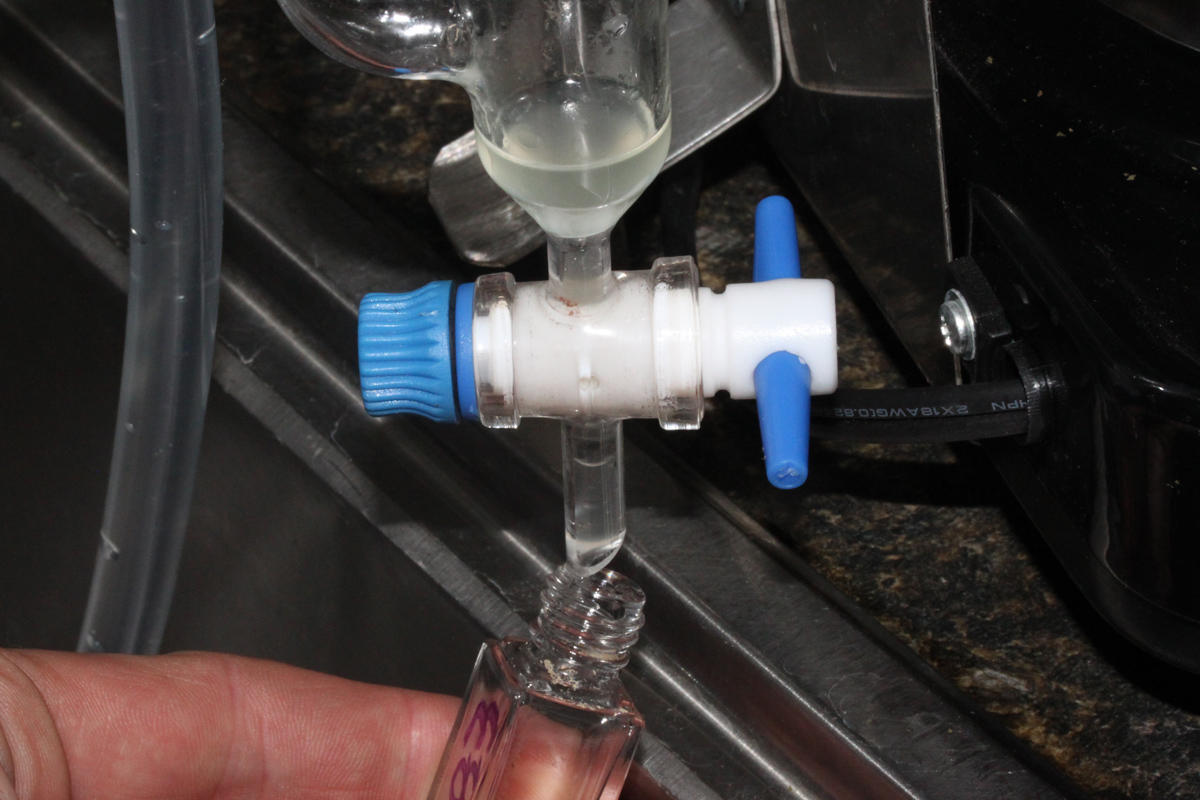
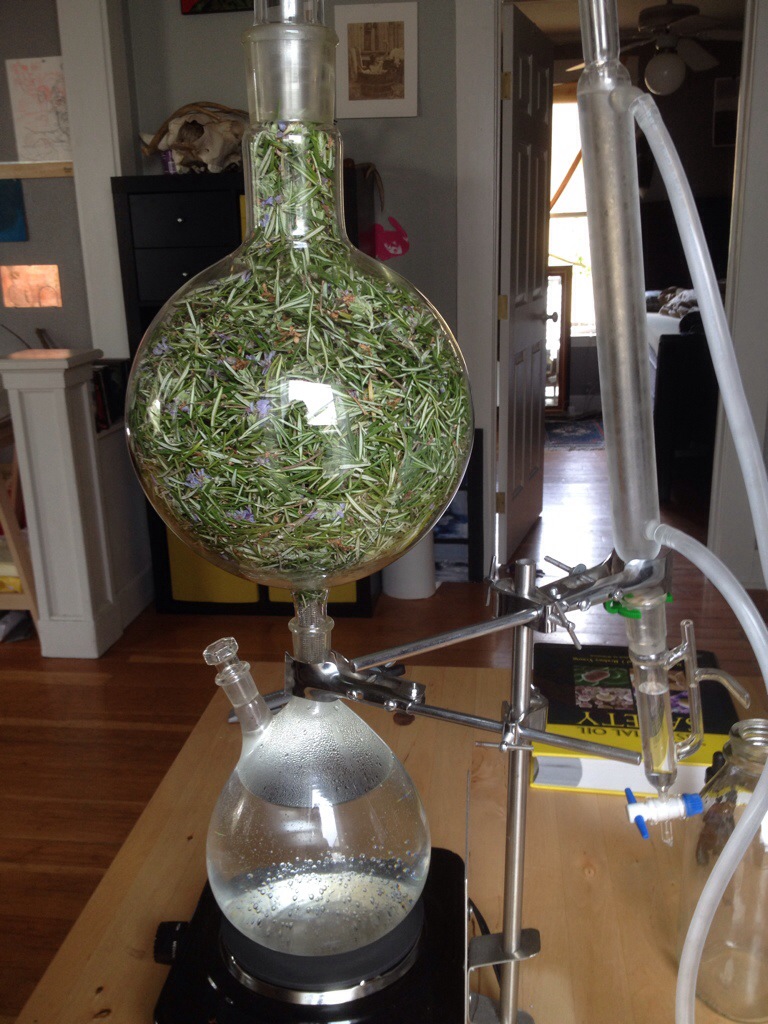
On a lab scale, steam distillations are carried out using steam generated outside the system and piped through macerated biomass or steam generated in-situ using a Clevenger-type apparatus.
Posted By: Iran Galbanum Oil
 Asafoetida plants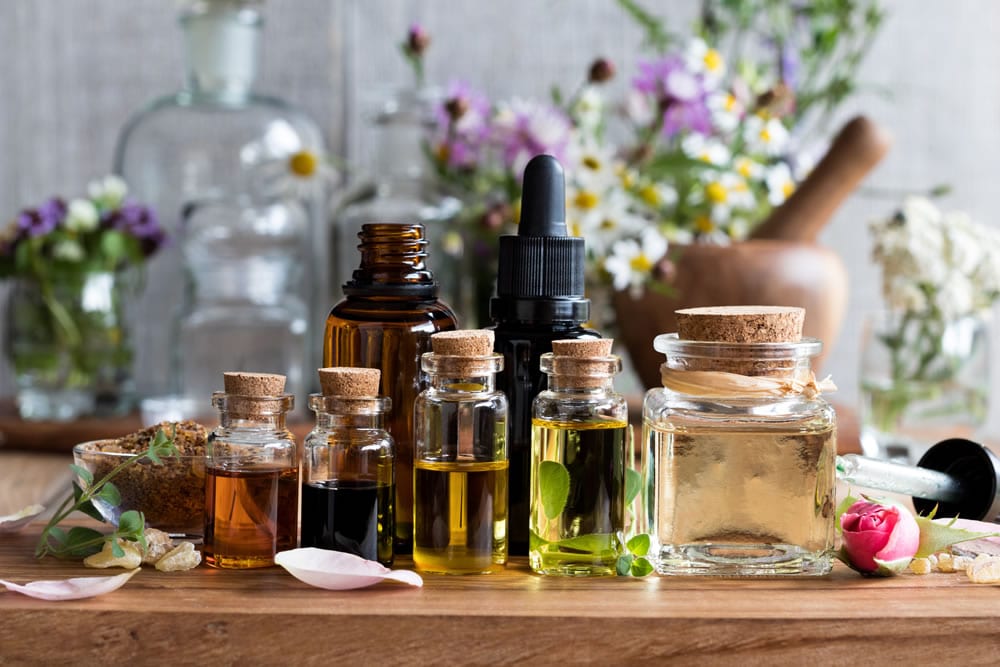
Because of the different compounds in different plants, the essential oil color of each plant is very different from the other.
Steam distillation is carried out by passing dry steam through the plant material whereby the steam volatile compounds are volatilized, condensed and collected in receivers. Steam distillation has been in use for essential oil extraction for many years. Hydrosteam distillation is carried out when the perfumery plant material is susceptible to direct steam. In this technique the plant material is supported on a screen or a perforated grid placed at some distance above the bottom of the still. Distillation is carried out with low pressure steam which replaces the volatile compounds from the intact plant material.