

Pistacia atlantica, a tree of the genus Pistacia, is of the same genus as pistachio, terebinth, and mastic. Pistacia ranges from shrubs to trees adapted to drought and the Mediterranean climate. It is stronger than Pistacia terebinthus, where it is used as rootstock in Ukraine and the United States for growing Pistacia vera, but resists frost better than P. terebinthus. An important use is to combat soil erosion. It strengthens the soil, and is used for reforestation of arid and steep slopes and against landslides. It is a typical urban street tree in the Black Sea cities. The seeds, like pistachio, are edible oil seeds, like nuts, and contain up to 60% fat. Candy made with P. atlantica in Turkish are called tsukpi pistachio. Sometimes, the immature fruit is harvested and eaten with sour milk. The plant contains a resin, used as chewing gum in Kevan, Turkey, where it is called kevove rubber tree. The resin is used to manufacture alcohol and lacquer. Its essential oils are used in perfume industry. The leaves are rich in tannins, up to 20% in the galls caused by an aphid parasite, used as the raw material for tanning in the leather industry. The sap is dried and used as incense, and its smoke releases a pleasant smell to the local environment for celebrations and religious ceremonies, as "incense".
Pistacia atlantica is a deciduous tree growing up to 7 m (23 ft) tall with branches spreading and growing erect to form a dense crown. The trunk is stout and covered in fissured bark. Old trees may have trunks measuring 2 m (6 ft 7 in) in diameter; it may take 200 years for a tree to reach 1 m (3 ft 3 in) wide. The leaves are pinnate, each with seven to 9 lance-shaped leaflets. The leaves and branches often have galls when the tree is infested with gall-producing species of aphids, including Pemphigus utricularis, Slavum wertheimae, and Forda riccobonii. The tree is dioecious with male and female trees producing different types of flowers. Both types are small and greenish and fall away quickly. Monoecious and hermaphrodite trees have been seen, but are unusual. The oblong, fleshy, oily fruit borne by the female tree is 6 to 8 mm (0.24 to 0.31 in) long and pink in color, ripening to blue. It grows slowly, and can reach 1000 years old. It has broken bark with ashen gray color. Older branches have the same design, fractured and ash color, which gives the tree a grizzled look. The leaves are oval, almost sessile, shining above, and dark green, with seven to 9 leaflets, imparipinnate with petioles a little winged, flowers in racemes lax, the male and female on different trees. The flowers are unisexual, small, discreet green, thick as pea fruit, then changing to reddish blue. In colder areas the leaves in May check and fall in November. Though dioecious, in some communities males dominate the female specimens in number. It grows in oak woodlands and oak sclerophyllus. The fruits ripen from July to October, starting to bear fruit at the age of eight to 10 years, with abundant fruit after two to three years.
It is native to a section of Eurasia from the Iranian Plateau to North Africa, where it was once common. Because other trees were rare, it was the only good source of wood and was overharvested, reducing its current distribution. It is a common tree in mountain forests in Iran, and it is "characteristic" of the landscape in parts of Algeria outside the Sahara. Pistacia atlantica in Elah valley The almacigo is a tree that extends from the North Africa and found in thermophilous forests, up to 600 m altitude. It is one of the few deciduous species native to the Canary archipelago. It is native of Eurasia, the Iranian Plateau, to northern Africa. Azerbaijan (Soltanbud forest)
Uses There are many uses for this plant. This wild pistachio is the most economically important tree in many parts of Iran, including the Zagros Mountains, where it is managed as a valuable forest tree. The resin and fruit oil were historically used for a variety of medicinal purposes. The resin, known in Iran as saqez, is still an important commodity. The tannins from the galls were used for tanning. The pistachio fruits are a food source in the area, but the more commonly cultivated pistachio tree P. vera is more valuable for food production. It uses in a food in kerman Province in Iran, named "OuBanneh" (اوبنه). The raw fruits of the wild pistachio are not favored as food and are said to taste like turpentine. They are about 45% oil. Pistacia atlantica in sunlight Cultivation Pistacia atlantica is planted as an ornamental shadebearing and drought-tolerant landscape tree in gardens and parks. In California it is imported to use as rootstock for cultivated pistachio trees (Pistacia vera). Both introductions have led to its escape and current status as an occasional invasive species in California.
Terpenoids An essential oil is one of the numerous metabolites extracted from the fruits, leaf-buds, twigs, flowers, leaves, resin, and galls of P. atlantica . The main ingredients of the essential oils reported by hydrodistillation of the resin, leaves and fruits of P. atlantica based on GC (gas chromatography) and GC/MS (gas chromatography/mass spectrometry) is monoterpene with α-pinene (42.9%) and β-pinene (13.2%) in the resin. Terpinen-4-ol (21.7%) and elemol (20.0%) are two major ingredients in the oil of the leaves. The oil of the fruits has high amounts of oxygenated monoterpenes, with bornyl acetate (21.5%) as the predominant component . Spathulenol is the main component of P. atlantica leaves . Triterpenes like oleanolic acid, ursonic acid, masticadienonic acid, masticadienolic acid, morolic acid, and 3-O-acetyl-3-epiisomasticadienolic acid are detected in the resin of P. atlantica . Phenolic Compounds Phenols are known for their antioxidant activities which reduce the risk of different diseases such as cancers . Leaf extract contains two main chemical compounds of gallic acid and gallic acid methyl ester. Luteolin, luteolin 7-glycoside, chlorogenic acid, kampferol, naringin and naringin 7-glycoside were detected from the fruit extract . Flavonoid glycosides were isolated from the aerial parts, leaves and stems of P. atlantica. These components were revealed as kaempferol-3-glucoside, quercetin-3-glucoside, quercetin-3-galactoside, quercetin-3-rutinoside, quercetin-3-glucoside-7-galactoside, apigenin 6,8-di-C-glucoside (vicenin 2) . Among flavonoids, 3-methoxycarpachromene has an antiplasmodial activity which is isolated from the aerial parts of P.atlantica
According to the Persian medical literature and recent studies, P. atlantica has various applications for dietetic and medicinal purposes. This review investigated extensive evidence on phytochemical and pharmacological features. Some of the therapeutic uses in traditional medicine are supported by recent studies, such as their beneficial effects on gastrointestinal disorders, but there are several pharmacological activities discussed in traditional medicine such as aphrodisiac activities, diuretic, emmenagogue, which are not confirmed by any current scientific documents, and therefore, further studies should be performed.
Posted By: Iran Galbanum Oil

Pistacia atlantica plants


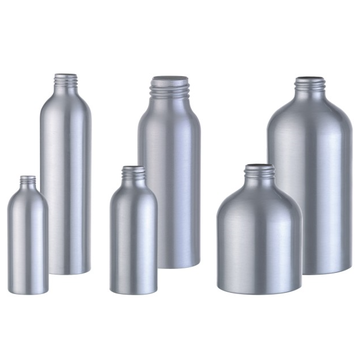
Packing :
| Grams |
Packings |
| 100 grams |
Aluminum and glass |
| 250 grams | Aluminum and glass |
| 500 grams | Aluminum and glass |
| 1000 grams | Aluminum and glass |
| more than 1000 grams | Aluminum and PP |
Pistacia atlantica is a species of pistachio tree known by the English common name Mt. Atlas mastic tree and as the Persian turpentine tree. In Iran it is called baneh or wild pistachio tree . In the Canary Islands it is known as Almacigo, and in Arabic, it is called بطم (buṭm or buṭum). In southern Iran, in Bandar-Abbas in Hormozgān Province it is called kasoudang and in Bushehr it is called kolkhong. In Turkey it is commonly known as melengiç. In Kurdish the tree is called darwan or daraban, and the seed is called qezwan (قەزوان).
Scientific classification:
Clade: Tracheophytes
Clade: Angiosperms
Clade: Eudicots
Clade: Rosids
Order: Sapindales
Family: Anacardiaceae
Genus: Pistacia
Species: P. atlantica

1-Aromatherapy
2-Perfumery
3-Cosmetic
4- Alimentary